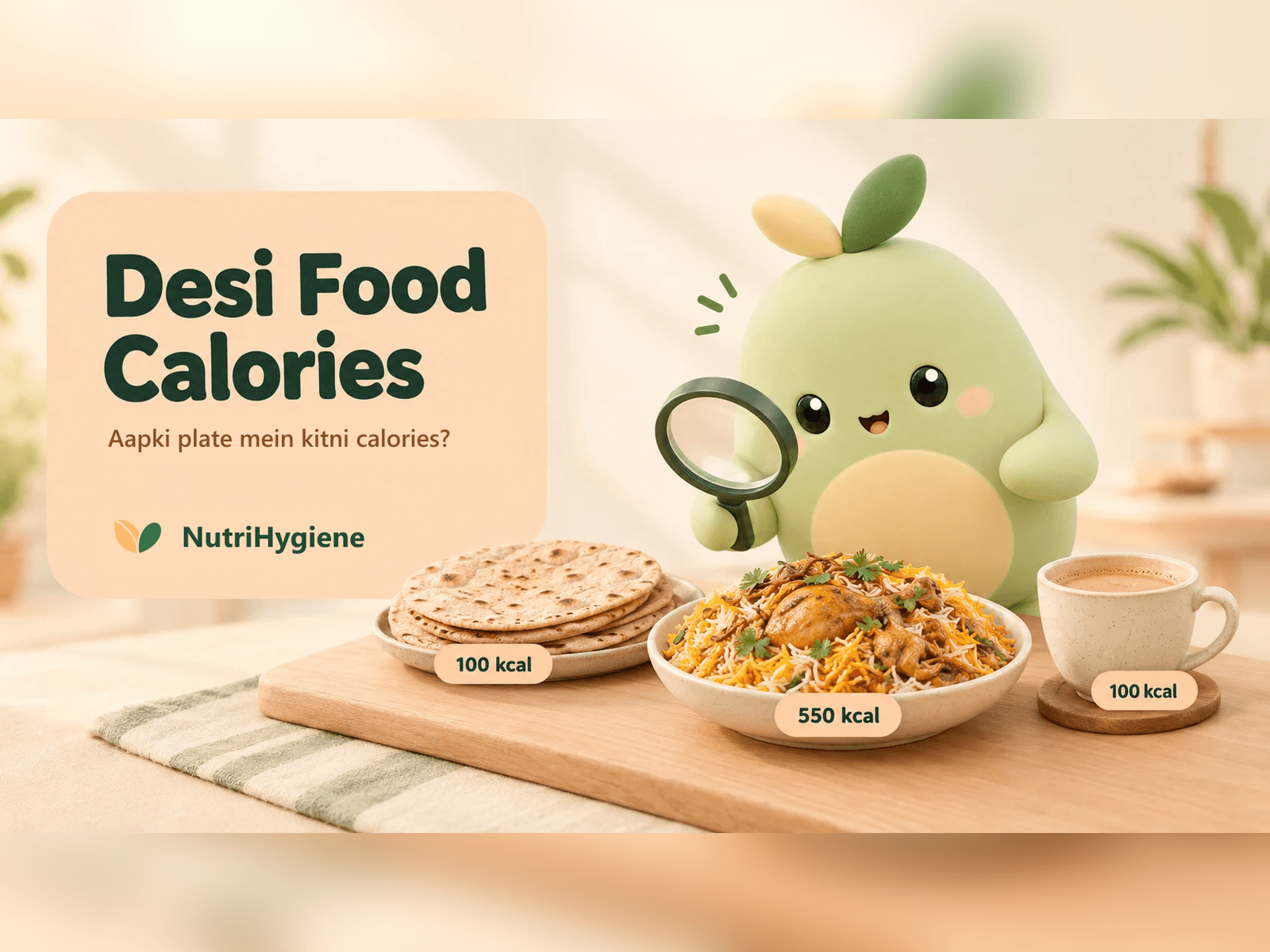
Roti · Calories · Pakistani food · Weight loss
Gandum ki Roti: Calories, Fayde aur Gehu vs Gandum ka Farq

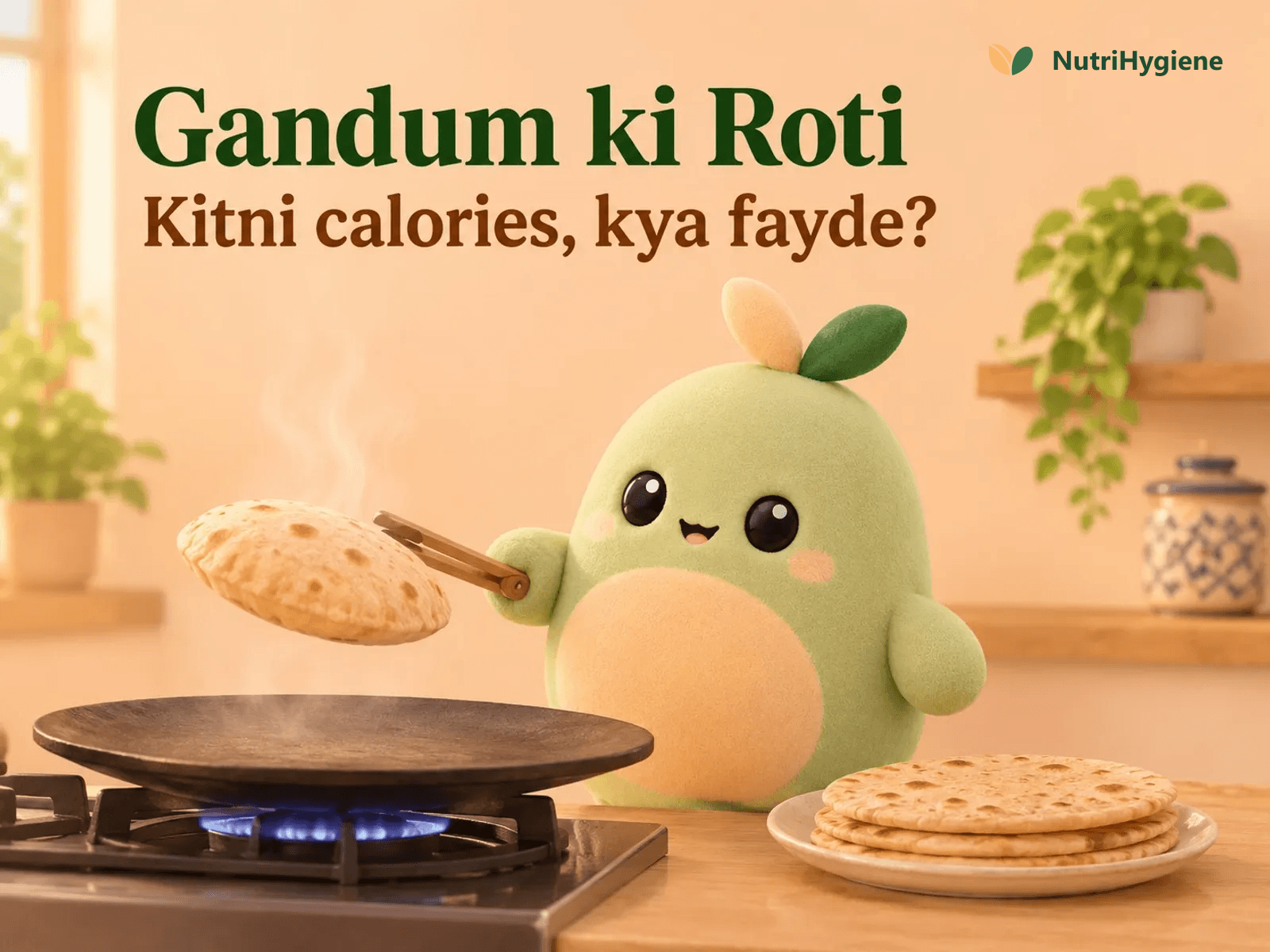
Short answer: one medium gandum ki roti (about 30 g whole-wheat atta) has about 100 calories, 4 g protein and 3 g fibre, without ghee. Gehu and gandum are the same thing: both words mean wheat. Gehu is the Hindi word and gandum is the Urdu/Persian word. Chakki atta roti is a healthy everyday food; the calories mostly go up because of ghee on top and the number of rotis.
Roti is on almost every Pakistani dastarkhwan, two or three times a day. So it makes sense to know what's in it. Below you'll find calories by roti size, the real benefits, chakki atta vs maida, and how many rotis fit a weight loss plan.
Gehu aur gandum mein kya farq hai?
There is no difference. Gehu (गेहूं) and gandum (گندم) are two names for the same grain: wheat. In Pakistan we usually say gandum, and in India people usually say gehu. The roti, the atta and the nutrition are exactly the same.
What does make a difference is how the wheat is milled:
- Chakki atta / whole-wheat atta: the whole grain is ground, including the bran (outer layer) and germ. More fibre, more minerals.
- Maida (refined flour): the bran and germ are removed. Softer and whiter, but much less fibre.
1 gandum ki roti mein kitni calories hoti hain?
The size of your roti matters more than anything else. Here's how calories change with roti size:
| Roti size | Atta used | Calories | Protein | Fibre |
|---|---|---|---|---|
| Small (patli) roti | ~20 g | ~68 kcal | ~2.6 g | ~2.1 g |
| Medium home roti | ~30 g | ~102 kcal | ~4.0 g | ~3.2 g |
| Large roti | ~40 g | ~136 kcal | ~5.3 g | ~4.3 g |
| Tandoori roti | ~40–45 g | ~130–150 kcal | ~5–6 g | Less if mixed with maida |
| Medium roti + 1 tsp ghee | ~30 g + 5 g ghee | ~147 kcal | ~4.0 g | ~3.2 g |
Calculated from USDA FoodData Central values for whole-grain wheat flour (340 kcal, 13.2 g protein and 10.7 g fibre per 100 g) and ghee (about 45 kcal per teaspoon). Water added while kneading has no calories, so a cooked roti has the same calories as its dry atta.
Quick tip: to know your own roti size, weigh the atta for one peda (dough ball) once on a kitchen scale. Most home rotis are between 25 and 35 g.
Gandum ki roti ke fayde (benefits)
Whole-wheat roti gives you more than just energy. Per medium roti (30 g chakki atta), based on USDA data:
- Fibre (~3.2 g): helps digestion, keeps you full and helps prevent constipation. The NHS recommends adults aim for 30 g of fibre a day (NHS), and 3 rotis give you about a third of that.
- Protein (~4 g): not a lot alone, but with daal or chanay it adds up to a filling, balanced meal.
- B vitamins: whole wheat has thiamin (B1), niacin (B3) and B6, which help your body use energy from food.
- Minerals: iron (
1.1 mg), magnesium (41 mg) and zinc in every roti. - Steady energy: whole grains are digested more slowly than refined flour, so they keep you going longer than a maida roti or white bread.
The World Health Organization advises choosing whole grains as part of a healthy diet (WHO). Chakki atta roti is one of the easiest ways to do that in a Pakistani kitchen.
Chakki atta vs maida vs packet atta: kaunsa behtar hai?
| Per medium roti (30 g flour) | Chakki atta (whole wheat) | Maida (refined) |
|---|---|---|
| Calories | ~102 kcal | ~109 kcal |
| Protein | ~4.0 g | ~3.1 g |
| Fibre | ~3.2 g | ~0.8 g |
| Iron | ~1.1 mg | ~0.35 mg (unenriched) |
From USDA FoodData Central: whole-grain wheat flour and white all-purpose flour, unenriched.
What the table shows: calories are almost the same, but chakki atta has about four times the fibre and three times the iron of maida.
Packet atta: many brands sell "fine atta" with some bran removed for a softer roti. Check the label: "whole wheat", "chakki" or "100% atta" is better. If the bag says "maida" or "refined wheat flour", it's not whole wheat.
Weight loss ke liye din mein kitni roti khayen?
There's no single number for everyone. It depends on your size, activity and goal. As a rough guide:
- Most adults trying to lose weight do well with 1–2 rotis per meal, alongside daal, sabzi or a protein like chicken or eggs.
- Skip the ghee on top, or measure it with a teaspoon. One teaspoon adds about 45 calories, almost half a roti.
- Make rotis a little smaller instead of cutting them out. Two small rotis feel like more food than one large one.
- Fill half the plate with sabzi or salad, so you need fewer rotis to feel full.
- Watch the paratha. A paratha has oil or ghee inside the layers and can have double the calories of a plain roti.
To find out how many calories you need in a day, use our free calorie calculator. For calories of other desi foods, see our Pakistani food calories list.
Kya diabetes mein gandum ki roti kha sakte hain?
Yes, most people with diabetes can eat whole-wheat roti, but the portion matters. Roti is a carbohydrate (about 22 g per medium roti), and carbohydrates raise blood sugar. Choosing chakki atta over maida, eating roti with daal, sabzi or protein, and keeping to 1–2 rotis per meal all help.
Some people mix in jau (barley) or besan (chana flour) for extra fibre. Read our comparison of jau vs gandum ki roti to see how they differ.
If you have diabetes, kidney disease or celiac disease, talk to your doctor or a dietitian about how many rotis are right for you. Wheat contains gluten, so people with celiac disease should not eat gandum ki roti (Celiac Disease Foundation).
Track your rotis without counting in your head
Roti is easy to undercount: one extra at lunch, a paratha at breakfast, ghee on top at dinner. The NutriHygiene app lets you log roti in the portions you actually eat, like 2 roti or 1 paratha, along with your daal and salan, and shows your calories, protein, carbs and fat for the day.
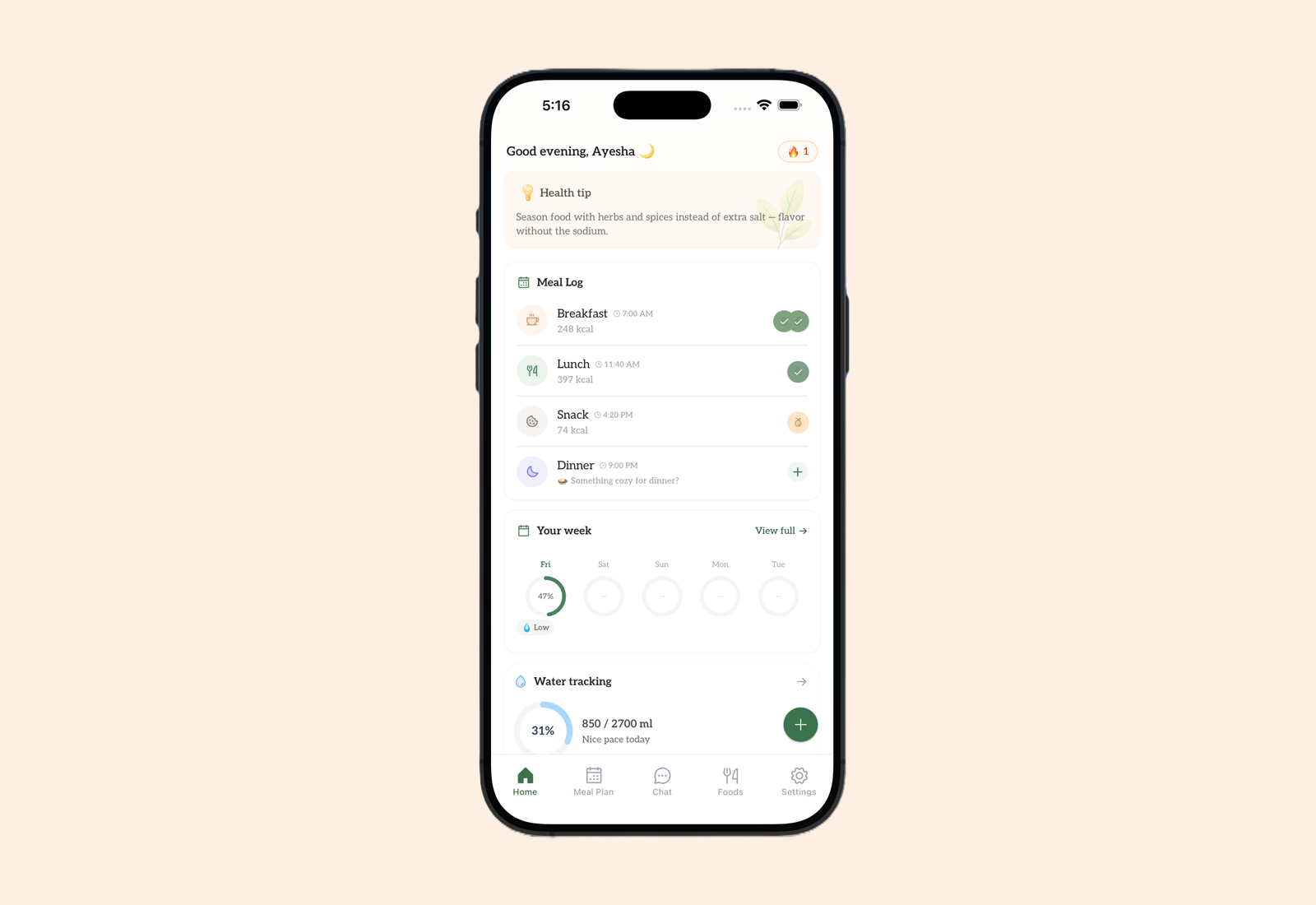
Get the NutriHygiene app and see exactly how your rotis fit into your day.
Frequently asked questions
Gehu aur gandum mein kya farq hai?
Koi farq nahi. Gehu and gandum are two names for the same grain, wheat. Gehu is the Hindi word and gandum is the Urdu/Persian word.
1 gandum ki roti mein kitni calories hoti hain?
A medium roti made from about 30 g of whole-wheat atta has about 100 calories, 4 g protein and 3 g fibre, without ghee. A small roti has about 70 calories and a large one about 135.
Gandum ki roti ke fayde kya hain?
Whole-wheat roti gives fibre for digestion and fullness, some protein, B vitamins, iron, magnesium and zinc. It digests more slowly than maida, so it keeps you full for longer.
Kya gandum ki roti se weight barhta hai?
Not by itself. Weight goes up when you eat more calories than you burn. Rotis add up when you eat many of them, add ghee on top or choose parathas. One to two plain rotis per meal fit well in most weight loss plans.
Chakki atta behtar hai ya maida?
Chakki atta. It has about four times the fibre and three times the iron of maida, with almost the same calories.
Raat ko roti khani chahiye ya nahi?
Yes, you can eat roti at night. What matters for weight is your total calories for the day, not the time. Keep dinner portions moderate and leave a gap of 2–3 hours before sleeping if heartburn bothers you.
Gandum ki roti mein protein kitna hota hai?
About 4 g in a medium roti. Eat it with daal, chanay, eggs, dahi or chicken to make a protein-rich meal.
Sources
- USDA FoodData Central: Wheat flour, whole-grain (FDC 168893)
- USDA FoodData Central: Wheat flour, white, all-purpose, unenriched (FDC 169761)
- USDA FoodData Central: Clarified butter, ghee (FDC 171314)
- NHS: How to get more fibre into your diet
- World Health Organization: Healthy diet fact sheet
- Celiac Disease Foundation: Sources of gluten
This article is general information, not medical advice. For health conditions, speak with a qualified doctor or dietitian.
Track what you eat, the desi way
Log roti, daal and biryani in the portions you actually eat. The NutriHygiene app is free to download on Android and iPhone.